African Music
A Listener’s Guide to Highlife
Highlife is one of the foundation stones of modern West African music. Born in Ghana in the early twentieth century and spread across the region by dance bands and guitar groups, it shaped Afrobeat, influenced Afrobeats and still sounds fresh today. This guide explains what to listen for and how its different strands fit together.
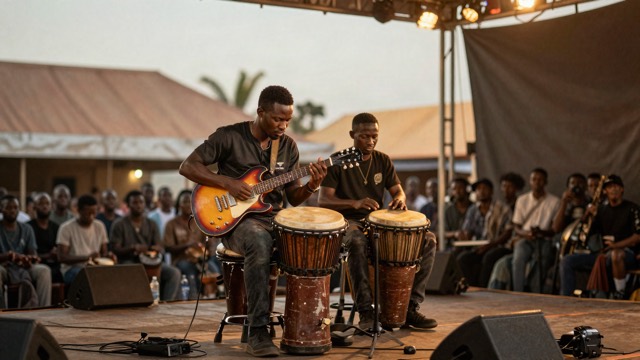
What highlife is
Highlife is a style of popular music that developed in Ghana (then the Gold Coast) in the early and middle twentieth century. It blends West African rhythmic and melodic traditions with instruments and forms that arrived through trade, colonial military bands, church music and sailors — brass, guitars, and dance-band arrangements. The result is music that is bright, melodic and rhythmically lilting, designed for dancing but often carrying stories, proverbs and gentle social commentary.
The name is commonly explained as a reference to the “high life” of the fashionable dance halls where the orchestral style was played, where audiences dressed up for evenings out. Whatever its exact origin, the name stuck, and it now covers several related styles.
The main strands of highlife
Dance-band highlife
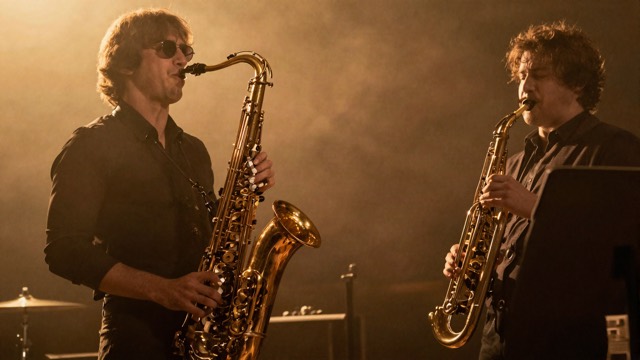
Dance-band highlife was played by large ensembles with horn sections, drum kits, bass and sometimes strings, performing in ballrooms and clubs. Its arrangements borrowed from jazz and swing orchestras but were rooted in West African rhythms. E.T. Mensah and his band the Tempos are among the most celebrated figures of this style; Mensah is often called “the King of Highlife”, and his work in the 1950s helped spread dance-band highlife across West Africa, especially into Nigeria.
Guitar-band highlife
Alongside the big bands, smaller guitar groups played what is often called palm-wine music or guitar-band highlife. These ensembles centred on acoustic and later electric guitars, playing repeating, finger-picked patterns with voices and simple percussion. Guitar-band highlife was closer to rural and working-class life and often accompanied concert parties — travelling theatre shows that combined music, comedy and drama.
Nigerian highlife
Highlife took deep root in Nigeria from the 1950s onwards, especially in the south-east and among Igbo musicians, as well as in Lagos. Nigerian bands developed their own styles and repertoires, and highlife was the dominant popular music in parts of the country for years. Fela Kuti started out playing highlife and jazz before developing Afrobeat, which is one reason highlife and Afrobeat share so much melodic DNA — see our explainer on Afrobeat and Afrobeats.
Burger-highlife
From the late 1970s and 1980s, many Ghanaian musicians lived and worked in Germany, particularly in Hamburg, and developed a synth-heavy, drum-machine-driven version of highlife known as burger-highlife. It swapped some of the live band sound for keyboards and electronic drums, reflecting the pop production of the era, and it became hugely popular in Ghana.
Contemporary highlife and hiplife
From the 1990s, Ghanaian artists fused highlife with rap to create hiplife, an important precursor to much modern Ghanaian pop. Highlife melodies, guitar lines and horn phrases continue to appear throughout Ghanaian and Nigerian music today, from gospel to Afrobeats.
What to listen for
- Interlocking guitars. Highlife guitar parts are often short, repeating, finger-picked figures that weave around each other. Listen for a bright, clean tone and melodies that circle rather than strum.
- A gentle, rolling pulse. Highlife grooves usually sit at a comfortable, mid-tempo dance pace with a relaxed swing, often underpinned by a steady bell or clave-like pattern. Tapping along with our BPM calculator is a good way to compare a highlife classic with a modern Afrobeats track.
- Major-key brightness. Much highlife uses cheerful, major-key harmony with simple, satisfying chord movement. Our explainer on how song keys work covers why major keys sound “bright”.
- Horn lines. In dance-band highlife, horns play melodies in harmony, answer the vocal or take solos, echoing jazz and brass-band traditions.
- Storytelling vocals. Lyrics often use proverbs, local languages and narratives about love, money, family and everyday life, and call-and-response between lead and chorus is common.
Try this: play a classic highlife record, then a contemporary Ghanaian or Nigerian pop song. Listen to the lead guitar or keyboard melody rather than the drums. You will often find the same circling, bright phrasing in both.
Why highlife still matters
Highlife sits near the root of much of the music we cover on Baclivelef. Its guitar and horn vocabulary fed into Afrobeat; its melodies and spirit echo through Afrobeats; and its mixture of dance music and storytelling set a template that West African pop still follows. When contemporary producers talk about giving a song a “highlife feel”, they usually mean clean, circling guitar lines, a warm major-key progression and a relaxed dance groove.
Ghanaian artists in particular continue to draw on highlife openly. Black Sherif, for example, is known for combining drill-influenced drums and raw rap vocals with melodies that recall highlife, most famously on “Kwaku the Traveller”. That blend of old and new is typical of how Ghana’s newer artists treat their musical heritage — not as a museum piece but as a toolkit.
How producers borrow from highlife
If you make music and want to bring highlife ideas into your own work, a few techniques go a long way:
- Write a circling guitar riff. A two-bar figure that repeats with small variations, played cleanly with little distortion.
- Keep the harmony warm and simple. A loop of major chords, perhaps moving between the I, IV and V chords, suits the style. Our chord progression generator can suggest variations.
- Add answering horns or synths. Short melodic responses between vocal lines echo the dance-band tradition.
- Leave room in the groove. Highlife rhythms breathe; resist the urge to fill every gap with percussion.
Starting points
A good way into highlife is through compilations of classic Ghanaian and Nigerian recordings, which are widely available on streaming services and give a sense of the range between dance bands and guitar groups. From there, look for recordings by E.T. Mensah and the Tempos, and explore Nigerian highlife bands of the 1960s and 1970s. For the modern connection, browse our African music section and read our guide to discovering new African music every week.