Gospel
The Sound of Contemporary Gospel: How Modern Worship Music Is Produced
Contemporary gospel is one of the most technically demanding styles to produce well. It needs the power of a choir, the intimacy of a solo voice, the virtuosity of a live band and the space of a big room — often all in one song. This guide looks at the production choices behind the modern gospel and worship sound, from church recordings to studio records, with a nod to the strong gospel scenes in Nigeria, Ghana and South Africa.
Two broad traditions
“Contemporary gospel” covers a wide range of music, but two broad production approaches stand out:
- Choir-led and band-led gospel, rooted in Black church traditions in the US and UK and in African churches. It is built on powerful choirs, gospel organ and piano, virtuosic drummers and bassists, and dramatic key changes.
- Contemporary worship, with a lead vocalist, guitars, piano and ambient synth pads, designed for congregations to sing along. It often builds slowly from quiet verses to large, anthemic choruses.
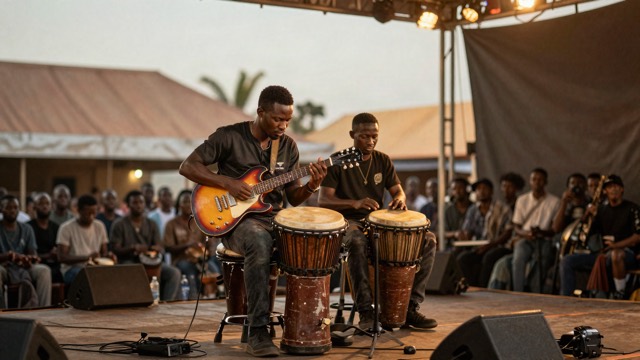
Many records blend the two, and African gospel adds further flavours: highlife guitars in Ghana, Afrobeats percussion in Nigeria, and choral harmony traditions in South Africa. Nigerian worship songs have travelled widely; Sinach’s “Way Maker”, for example, has been sung and recorded by churches and artists in many countries.
Recording live versus in the studio
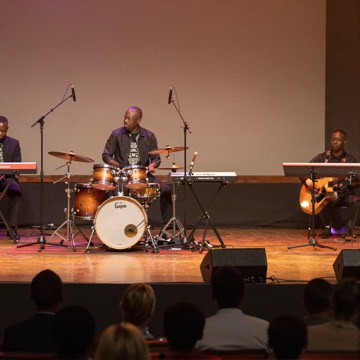
A large share of gospel and worship music is recorded live, in churches or concert venues, with congregations singing along. Live recording captures energy and the sound of the room, but it brings challenges: bleed between microphones, variable acoustics, and performances that cannot be repeated. Producers often combine live recordings with studio overdubs, fixing or replacing parts while keeping the atmosphere.
Studio records offer more control, especially for tight vocal stacks and polished arrangements, but can lose some of the spontaneity that gospel audiences value. Many projects plan both: a live recording for the main release and studio versions of singles.
The key ingredients
Choirs and vocal stacks
The choir is the heart of much gospel music. Recording a real choir requires careful microphone placement — commonly a pair of microphones capturing the whole group, sometimes supported by section microphones for sopranos, altos and tenors. In the studio, producers often build “choir” sounds by recording a smaller group several times, with singers changing positions between takes to create a fuller, more natural blend.
Gospel harmony is often rich, with close voicings and moving inner parts. Getting the tuning and timing tight without making it sound robotic is a delicate balance; many producers prefer light correction that preserves the human feel.
Keys: piano, organ and electric piano
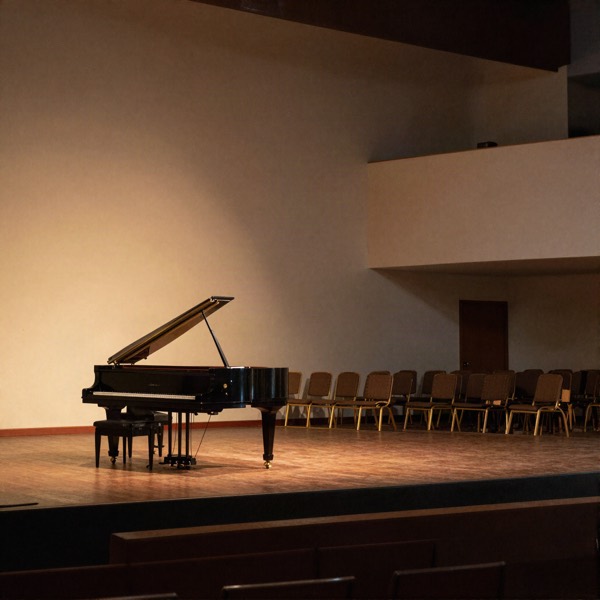
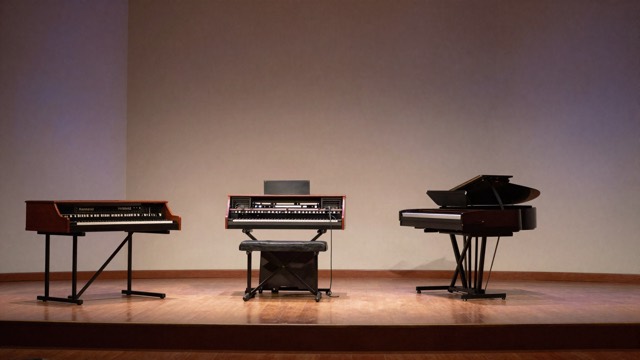
Gospel keyboard playing is famously sophisticated, with extended chords, passing chords and fast runs. The organ — especially a tonewheel-style organ played through a rotating-speaker effect — provides sustain and swelling dynamics that fill space behind the choir. Piano and electric piano carry the harmonic movement. If you want to explore the chord language, our chord progression generator and our guide to how song keys work are good starting points; for moving songs into a comfortable range for a lead singer, try the song key transposer.
Pads and ambience
In contemporary worship, ambient synth pads and heavily reverberated guitars create a continuous wash of sound. Pads are often left running between songs in live settings to keep the atmosphere unbroken, and they help smooth transitions in recordings too.
Drums and bass
Gospel drummers and bassists are known for technical skill: fast fills, syncopated grooves and dramatic stops. Production needs to capture that detail without letting it overwhelm the vocals. In African gospel, programmed or live percussion drawn from Afrobeats, highlife or local traditions adds a distinctive, danceable energy to praise songs.
Production tip: dynamics are the most important element in gospel and worship music. Plan the build from verse to final chorus deliberately, leaving space early so the climax has somewhere to go.
Structure and dynamics
Gospel and worship songs often follow structures designed for participation: verses, a repeated chorus, a bridge that is sung many times while intensity builds, and extended endings. Key changes — often stepping up a semitone or a whole tone near the end — add lift. Tempo ranges vary widely, from slow ballads to fast praise songs; our BPM tap calculator helps worship teams and producers find and match tempos, especially when a live recording drifts.
Because arrangements are long and repetitive by design, producers often prepare both a full live version and a shorter radio or streaming edit. Planning section lengths with our song structure planner and checking runtime with the song duration calculator saves a lot of editing later. Album sequencing is also important; the album runtime calculator helps you plan a project’s flow.
Mixing for power and clarity
- Prioritise the lead vocal. Whatever else happens, the lyrics need to be clear, because congregational singing depends on them.
- Carve space for the choir. Choirs occupy a lot of the midrange; equalisation on keys and guitars helps them sit together.
- Use reverb to create a room. A shared reverb can glue live and studio parts together.
- Control low end. Organ, bass, kick and pads can pile up; decide which element owns each part of the low frequencies.
Rights and credits in gospel music
Gospel songs are often written by worship leaders and sung by many churches and artists, so publishing and licensing matter. Songwriters may earn royalties when their songs are recorded, streamed, broadcast or performed publicly, and church licensing schemes exist in some countries. Credits can become complicated on live albums with many contributors. Our guides to publishing royalties and songwriting splits, plus the music split calculator, can help teams discuss this clearly. For real agreements, consult a qualified music lawyer.
Further listening
For more, browse our gospel section, which includes profiles of emerging gospel artists from East and Southern Africa, including Kenya, Tanzania, Uganda, Mozambique, Zambia and Botswana on our artists page.