Creator Guide
How to Promote an Afrobeats Song: A Practical Playbook for Independent Artists
Afrobeats songs travel in a particular way. They move from studio to street, from a DJ's set to a dance clip, from Lagos or Accra to London, Houston and Toronto, often before any playlist or press coverage catches up. Promoting an Afrobeats record well means understanding those routes and working each one with a plan.
This playbook is for independent artists and small teams. It avoids shortcuts that damage careers and focuses on tactics you can actually carry out, whatever your budget.

Start with a song that is ready to travel
Promotion amplifies what is already there. Before spending money, be honest about the record.
- Is the hook instantly identifiable? In the short-video era, listeners may only hear ten to fifteen seconds. The strongest section needs to work on its own.
- Does it move a dance floor? Test it with DJs you trust or play it at a small event and watch the room.
- Is the mix competitive? Compare it on phone speakers and in a car against songs you admire.
- Do you have the versions DJs and radio need? Clean edit, instrumental, acapella and, ideally, an extended DJ-friendly intro and outro.
If you want context on what defines the genre you are working in, our explainer on Afrobeats vs Afrobeat and the wider Afrobeats hub are good places to start.
Short-form video: dances, snippets and creators
Dance and snippet culture on TikTok, Instagram Reels and YouTube Shorts has become one of the main ways Afrobeats songs reach new listeners. The approach that tends to work is steady and experimental, not a single big post.
Tease before release
Post different snippets of the song in the weeks before it comes out: the hook, a verse, a studio moment, a freestyle over the beat. Watch which part people comment on, save and reuse. That tells you which section to push once the song is live — and sometimes which section should be the official sound.
Create a simple, repeatable hook moment
Many songs spread because a short section invites participation — a move, a gesture, a lip-sync moment, a transition. Keep it easy enough that people can copy it after seeing it once. Forced challenges rarely work; natural ones built on a genuinely catchy moment do.
Work with dancers and creators
Reach out to dancers and creators whose audience matches yours. Offer fair payment or a genuine collaboration, give them the sound early, and let them interpret it in their own style. Clearly disclose paid partnerships as the platforms and advertising rules in your country require.
To judge which videos are genuinely working rather than just getting views, use the TikTok music engagement calculator to compare engagement rates across your posts and creator partnerships.
DJs, clubs and live moments
DJs have always been central to Afrobeats. A song that DJs keep playing in clubs, at parties, weddings and events builds a kind of credibility no advert can buy.
- Build a list of DJs in your city and in the diaspora cities where your audience lives.
- Send a short, personal message with a private link, the BPM and key, and clean and dirty versions.
- Make it easy: include an instrumental and acapella for edits and mashups.
- Follow up with footage when someone plays the song — share it and thank them publicly.
- Perform at showcases and open mics, and bring the song to events where DJs are already gathered.
Radio in Nigeria, Ghana and beyond
Radio remains influential in West Africa, and presenters and on-air personalities can help a song break locally. Research the shows that play new music in your style, find out how they prefer to receive it, and send a broadcast-quality clean version with a short description. Build relationships over time rather than sending one mass email.
In diaspora markets, community stations, online radio and specialist shows focused on African music can introduce you to engaged listeners. Relationships and consistency matter more than one-off campaigns.
Be careful with pay-for-play. Undisclosed payment for airplay (often called payola) is restricted or unlawful in some countries and breaks the rules of many broadcasters. If anyone offers guaranteed rotation for cash, ask exactly what you are paying for and whether it is disclosed.
Streaming platforms that matter for Afrobeats
Audiomack and Boomplay
Audiomack and Boomplay are widely reported to be major streaming platforms in several African markets, including Nigeria and Ghana. Make sure your distributor delivers to both, claim your artist profiles, and keep them updated with artwork and bios. Both platforms feature curated playlists and promotional spots, so treat them as priorities, not afterthoughts.
Spotify and Apple Music editorial
Spotify and Apple Music run editorial playlists covering Afrobeats and African music, both regionally and globally. On Spotify, you can pitch one unreleased track through Spotify for Artists; do it as early as possible and at least seven days before release so it can also reach your followers through Release Radar. Apple Music pitching generally runs through your distributor or label. In every pitch, be specific: genre, mood, cities where the song is gaining traction, and any notable support from DJs or radio.
YouTube
A music video, visualiser or performance clip gives the song a home on YouTube, which many listeners use as their main music platform. Upload Shorts alongside the full video so short-form viewers can find the song.
Reaching the diaspora
Large African diaspora communities in the UK, US and Canada — and increasingly across Europe — are a core audience for Afrobeats. Reaching them takes some deliberate targeting.
- Use streaming and social analytics to see which cities are already listening.
- Connect with DJs, promoters and student societies in those cities.
- Target paid social ads narrowly to cities that show real engagement.
- Consider timing: diaspora events and festival seasons can be natural moments for a push.
For a wider look at how African sounds have travelled, read how African pop went global.
Blogs, press and collaborations
Music blogs and online magazines that cover African music can add credibility and help editorial teams discover you. Send a concise pitch: who you are, why this song matters now, a private link, artwork and one or two press photos. Personalise each email and respect submission guidelines.
Collaborations remain one of the strongest growth levers. Working with an artist or producer from another scene — Amapiano, R&B, UK rap, dancehall — introduces you to their audience. Our features on why Afrobeats and R&B blend so well and what Amapiano is show why those crossovers feel natural. Agree splits and credits in writing before release.
Budget and timeline
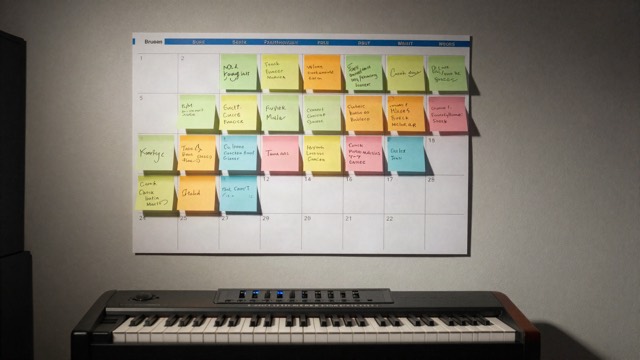
Plan the campaign around a Friday release, with at least four to six weeks of preparation and six to eight weeks of activity afterwards. The release date planner turns your chosen date into a dated task list.
For money, set a total you can afford and split it across content, creators, ads, radio and DJ outreach, and PR. The music marketing budget calculator helps you allocate it, and you should always keep some back to support whatever starts working after release.
What to avoid
- Fake streams, bots and fake followers. Platforms detect artificial activity, and consequences can include removed releases, withheld royalties and lost trust with editors.
- Paying for "guaranteed" playlist placement. Legitimate curators cannot guarantee placement, and many platforms prohibit selling it.
- Spamming DJs and journalists with identical mass messages.
- Copying another artist's dance or sound too closely — it rarely lands and can cause friction.
- Stopping after week one. Many Afrobeats songs build slowly through clubs and communities.
Promotion checklist
- Hook tested; clean, instrumental, acapella and DJ versions ready
- Snippets posted before release; strongest section identified
- Dancers and creators briefed, paid fairly and disclosed
- DJ and radio lists built for home and diaspora cities
- Delivered to Audiomack and Boomplay as well as Spotify, Apple Music and YouTube
- Spotify editorial pitch sent early; Apple pitch arranged via distributor
- Blog and press pitches personalised
- Engagement tracked with the TikTok engagement calculator
- No bots, no fake streams, no undisclosed pay-for-play
For the full release process, see how to plan a music release, and discover how listeners find new music in our weekly discovery guide.